Business License

Small Hole EDM Drilling vs CNC Drilling for Small Diameter Holes
Below about 1 mm diameter in hardened steel, a twist drill stops being a cutting tool and becomes a breaking tool. The small hole edm vs cnc decision rarely turns on speed, because drilling wins on speed whenever the drill survives. It turns on what happens when the drill does not.
This comparison sets the two processes against each other on the criteria that decide real jobs: force, hole quality, achievable depth, and the small hole edm burr control and small hole edm surface finish figures that a drawing actually calls out.
1. The Physical Difference Between Small Hole EDM and CNC Drilling
A CNC drill removes material with a cutting edge, which means it applies axial force and generates a chip. That force has to go somewhere, and on a 0.8 mm drill it goes into a slender tool that deflects before it cuts.
Small hole edm removes material with a spark and a flush stream, so the electrode never touches the work. There is no axial load, no chip to evacuate and no tendency for the tool to walk off centre as it enters.
That single distinction explains every downstream difference in this article. Everything else, from achievable depth to burr behaviour, follows from the presence or absence of cutting force.
Suzhou Excellence Intelligent Technology Co Ltd frames the small hole edm vs cnc question this way for buyers, because shops often compare cycle times first and discover the real constraint after a broken drill has already scrapped a finished part.
2. Where CNC Drilling Still Wins on Small Diameter Work
Drilling is faster by a wide margin wherever it works. A 1 mm hole through 30 mm of mild steel takes a few seconds on a CNC machine and a minute or more on EDM, and that ratio holds across most soft materials.
Drilling also produces a rounder hole in thin sections, because the drill acts as its own gauge as it passes through. Small hole edm in a 2 mm plate can leave a slightly bell-mouthed entry if the flush arrives unbalanced from one side.
The economics favour drilling when the material sits below roughly 35 HRC, the depth stays under five diameters and the position tolerance is looser than 0.05 mm. Those three conditions describe a large share of ordinary production work, which is why most shops own a drill before they own an EDM.
A further practical point is that drilling leaves a chip, and chips need managing. On a small hole that means peck cycles, through-tool coolant or an interrupted feed, and each of those adds cycle time that a comparison of cutting speeds tends to ignore. Excellence Intelligent Technology asks buyers to time a full peck-drilled hole rather than a single pass when they compare the two processes.
3. Where Small Hole EDM Drilling Takes Over
The balance shifts as hardness or depth rises. Above 45 HRC a small drill wears at the margin and starts to wander, so the hole drifts off position before the tool fails visibly.
Depth ratio matters as much as hardness. Beyond ten diameters a twist drill needs peck cycles and still risks packing chips, while a small hole edm holds its line because the flush runs through the electrode bore rather than around it.
Position tolerance in thin, hard work is the third trigger. Small hole edm typically holds 0.01 mm from the guide, which is tighter than a 0.5 mm drill manages on a curved or angled entry surface.
Suzhou Excellence Intelligent Technology adds a fourth trigger that appears once a shop starts counting secondary operations. Where a drilled hole needs deburring, the cleaning pass is where small hole edm burr control begins to look like a saving rather than a cost, because the EDM leaves a recast lip instead of a torn burr.
4. Small Hole EDM vs CNC on Surface Finish
Surface finish is where the comparison surprises people who assume spark erosion leaves a rough wall. The small hole edm surface finish depends on the energy of the final discharge, not on the process family, so a controlled finish pass competes with a sharp drill and beats a worn one.
| Condition | Typical Ra | Notes |
|---|---|---|
| CNC drilling, sharp drill | 1.6-3.2 micron | Feed marks along the wall |
| CNC drilling, worn drill | 3.2-6.3 micron | Rub marks and work hardening |
| Small hole EDM, single pass | 2.5-4.0 micron | Recast layer present |
| Small hole EDM, low energy finish | 0.8-1.6 micron | Recast layer thinner |
Reading the small hole edm surface finish table correctly means comparing the second row with the fourth. A drill produces a better wall than a roughing EDM pass, while a controlled EDM finish produces a better wall than either.
The wall structure differs as well as the roughness number. Drilling leaves a mechanically worked surface with some cold working, while EDM leaves a recast layer that is hard and can carry tensile stress. For a hole under fatigue load that difference matters more than the Ra value, which is why a small hole edm surface finish figure belongs next to a layer measurement rather than on its own.
5. Small Hole EDM Burr Control Compared with Drilling
A drilled hole leaves a burr at the exit, and in small diameters that burr is disproportionate to the hole. A 0.8 mm drill through steel can leave a 0.05 mm burr ring that needs a second operation to remove.
Small hole edm burr control is a different problem because there is no cutting edge pushing material ahead of itself. The exit produces a slight recast lip rather than a torn burr, and that lip usually measures under 0.02 mm.
Deburring a drilled hole at 0.5 mm diameter often costs more than the hole itself, because the tooling is delicate and the operation resists automation. Removing a recast lip needs a lap or a light abrasive pass, and on many parts that pass can be folded into the finish trim of the same EDM setup rather than becoming a separate station.
Excellence Intelligent Technology notes that small hole edm burr control still needs attention on the exit side. If the electrode breaks through into a cavity with no backing, the last sparks flare outward, so a sacrificial backing plate is worth fitting on cosmetic or sealing faces.
6. Depth Capability in Small Hole EDM and CNC Drilling
Depth is the criterion that most often decides the process, and the two behave very differently as the ratio rises.
| Diameter | Drilling, practical depth | Small hole EDM, practical depth |
|---|---|---|
| 2.0 mm | 8-10 times diameter | 60-80 times diameter |
| 1.0 mm | 5-7 times diameter | 80-100 times diameter |
| 0.5 mm | 3-5 times diameter | 50-70 times diameter |
| 0.3 mm | 2-3 times diameter | 30-40 times diameter |
Read the table as a ratio rather than as a distance. A 1 mm hole at 100 diameters means 100 mm of travel, which is routine for small hole edm and beyond reach for a twist drill without special tooling and a great deal of patience.
The depth figures also explain why the small hole edm vs cnc comparison changes character on mould work. Cooling channels routinely run at 50 to 100 diameters, a range where drilling stops being a candidate at all.
7. Tooling Cost Behind the Small Hole EDM vs CNC Choice
A 0.5 mm carbide drill costs a fraction of an EDM electrode of the same size, which is why drilling looks cheaper on paper. The comparison changes when the drill breaks inside a finished part.
Electrode consumption is predictable and scales with depth, while drill breakage is a discrete event with a large cost. A shop drilling 200 holes and breaking three drills spends more on scrap than on the drills by a wide margin.
An honest comparison prices both processes per good hole rather than per tool. That arithmetic usually favours drilling in soft material at shallow depth and favours small hole edm everywhere else, which is a more useful conclusion than any per-tool price list.
8. Two Small Hole EDM Burr Control Cases
Two shops reached opposite conclusions from similar hole sizes, which shows how much the workpiece decides.
A hydraulic manifold shop was drilling 0.9 mm cross holes through 12 mm of mild steel on a machining centre. The holes were fast, but the exit burr needed a manual deburr that consumed 40 percent of the cell time. Moving the holes to small hole edm with a low energy finishing pass removed the deburring station entirely, and the measured small hole edm surface finish came in near Ra 1.2 micron against Ra 2.8 from the drill. Cycle time per hole tripled, while total cell time fell by a fifth.
A second shop kept drilling 1.5 mm holes in aluminium at four diameters deep. Drilling was ten times faster and the burr needed no secondary operation, so neither the cycle time nor the small hole edm burr control argument offered anything there.
9. Choosing Between Small Hole EDM and CNC Drilling
Apply hardness first, then depth ratio, then burr tolerance. Below 35 HRC and five diameters, drilling is the sensible default, and a shop should not buy EDM capacity to solve a problem it does not have.
Above 45 HRC, or beyond ten diameters, the calculation reverses. The small hole edm vs cnc decision then comes down to whether the shop can accept a slower cycle in exchange for a hole that arrives on position and needs no secondary operation.
Our team suggests a trial hole in the actual workpiece material before committing a batch, cut on both processes where both machines exist. That comparison takes an hour and settles arguments a specification sheet cannot.
10. Small Hole EDM and CNC Drilling Questions
10.1 Can small hole EDM drill a hole that is not round?
It can, within limits that come from electrode shape rather than from the process itself. A round tube produces a round hole, while a shaped electrode produces the matching profile. Some machines orbit the electrode to open a hole slightly larger than the tube, which gives a controllable diameter range from a single electrode. Genuinely non-circular holes usually belong on a die-sinking EDM with a formed electrode rather than on a drilling machine, where the electrode would have to be shaped to match.
10.2 Does small hole EDM leave a heat affected zone?
Yes, and its depth depends on the energy of the final pass. A roughing cut may leave 10-20 microns of recast layer, while a low energy finishing pass reduces that figure to just a few microns. In most mould cooling channels the layer is irrelevant, but in a hole carrying cyclic load it becomes a fatigue consideration. A cross-section on the first sample tells a shop what its own settings actually produce rather than what a table claims in a brochure.
10.3 How does hole position accuracy compare between the two?
Small hole edm usually holds position better on hard or curved surfaces, because the electrode is guided and never deflects. A drill on an angled or curved entry tends to walk before the point engages. Typical position tolerance from a guided electrode sits near 0.01 mm, while a small drill on a flat surface may hold 0.03 mm and considerably worse on a curved one. Entry condition decides more than the process label, and it is worth checking on a scrap piece before quoting either method.
10.4 Is small hole EDM suitable for high volume production?
It suits volume when the alternative includes a secondary deburring operation or a scrap risk on expensive parts. A single electrode drills 20 to 60 holes depending on depth, so the changeover cost per hole stays low across a batch. Where the material is soft and the depth stays shallow, drilling remains far faster per hole. The reasonable rule is to compare total cell time including deburr, cleaning and inspection rather than comparing the cutting operation on its own against a hypothetical drill that never wears or wanders.
Recently Posted
-
Wire Cutting Machine Terms You Will Meet in a Supplier Quotation
November 18, 2026A quotation for a wire cutting machine arrives as a table of terms, half of which describe the machine and half of which describe Read More
-
Wire Cutting Machine vs Sinker EDM: How the Two Processes Differ
November 17, 2026Both processes remove metal with a spark, and both run with the workpiece submerged in a dielectric. Past that point they diverge Read More
-
A Practical Introduction to Small Hole EDM Drilling Machines
November 16, 2026A small hole EDM drilling machine sinks narrow holes through hard metal by spark erosion, using a rotating tubular electrode fed t Read More
-
CNC Wire Cutting vs Manual Wire Cutting: What Changes in the Part
November 13, 2026The part is not the point of difference between a manual wire cutting machine and one with wire cutting machine cnc control. The d Read More

Contact Us
Recommended Products
-
 CNC Boring Machine Horizontal Boring and Milling MachineNegotiableMOQ: 1 Unit
-
Slow Wire Cutting Machine Slow Speed Wire Cutting Machine Made in ChinaUS$ 5500 - 1500000MOQ: 1 Unit
-
Double Column Vertical Lathe Cnc Vertical Lathe Vertical Turning and Boring MillNegotiableMOQ: 1 Unit
-
Cnc Vertical Lathe Vertical Turning and Boring MillNegotiableMOQ: 1 Unit
-
Cnc Vertical Five-Axis Milling Machining Center Made in ChinaUS$ 48000 - 100000MOQ: 1 Set
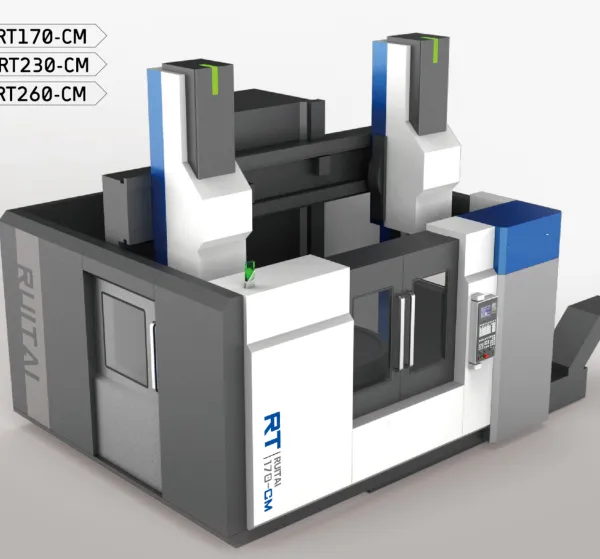
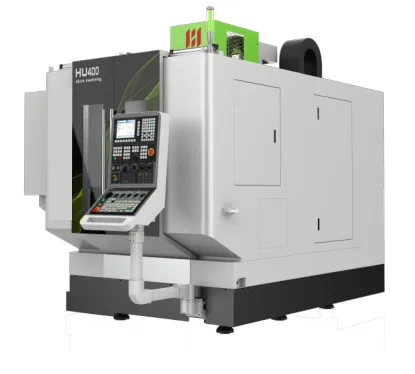
-
Cnc Edm Drilling Machine Automatic Wire Feed Made in China 0.15-6.0mmUS$ 5500 - 1500000MOQ: 1 Unit
-
Sevro Moto Wire Cut Machine Cnc Wedm With Larger Taper Made in ChinaUS$ 5500 - 1500000MOQ: 1 Unit
-
Cnc Milling Machine Made in ChinaUS$ 28000 - 100000MOQ: 1 Set
-
VMC(vertical Machining Centre) CNC Milling MachineUS$ 28000 - 100000MOQ: 1 Set
-
Semi-Automatic Hole Drilling EDM Machine With 0.2-6 mm Electrode, 7 MPa Cooling, 3 kW MotorUS$ 3500 - 500000MOQ: 5 Sets
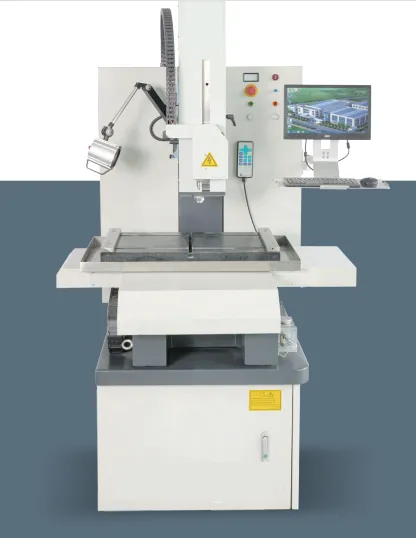
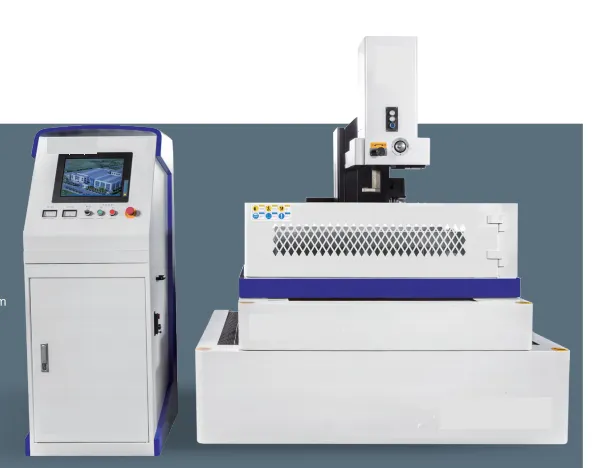
-
High-Speed Hole Drilling EDM Machine With 12,000 Rpm Electrode Rotation, 1-10 mm Range, IP54US$ 3500 - 500000MOQ: 5 Sets
-
Automatic Hole Drilling EDM Machine, 30 A Pulse Power, 600 mm X-Axis Travel, PLC ControlUS$ 3500 - 500000MOQ: 5 Sets
-
Hole Drilling EDM Machine for Aerospace Turbine Blades, 0.3-2 mm Holes, 5-Axis ControlUS$ 3500 - 500000MOQ: 5 Sets
-
Hole Drilling EDM Machine With 1-Year Warranty, On-Site Technical Training, Standard CompliantUS$ 3500 - 500000MOQ: 5 Sets
-
Hole Drilling EDM Machine, 400 x 300 mm Worktable, 0.01 mm Positioning Accuracy, 220VUS$ 3500 - 500000MOQ: 5 Sets
-
Hole Drilling EDM Machine With 12-Month Warranty, Online Technical Support, Free Remote DiagnosisUS$ 3500 - 500000MOQ: 5 Sets
-
CNC Hole Drilling EDM Machine With 5-Axis Servo Control, 0.3-3 mm Electrode, 380VUS$ 3500 - 500000MOQ: 5 Sets
-
CNC Hole Drilling EDM Machine With 0.005 mm Resolution, 500 mm Z-Axis Stroke, 24 V ControlUS$ 3500 - 500000MOQ: 5 Sets
-
Hole Drilling EDM Machine for Mold Cooling Channels, 0.5-3 mm Holes, 400 mm DepthUS$ 3500 - 500000MOQ: 5 Sets
-
CNC Engraving Machine With Factory Test Report and Standard Compliant, 220V 2.2kW, 12-Month Warranty and Setup SupportNegotiableMOQ: 1 Unit