Business License

A Practical Introduction to Small Hole EDM Drilling Machines
A small hole EDM drilling machine sinks narrow holes through hard metal by spark erosion, using a rotating tubular electrode fed through a guide. It exists because twist drilling runs out of answers below about 1 mm diameter in hardened steel, where the drill snaps and the hole wanders before it reaches depth.
The process earns its keep in mould cooling channels, ejector pin holes, start holes for wire erosion and gas vents in hardened inserts. This introduction covers the small hole edm working principle, the electrode options a shop chooses between, and how the small hole edm hole diameter is set and held through a deep cut.
1. What a Small Hole EDM Drilling Machine Solves
A mould shop was drilling 0.8 mm cooling channels into a 180 mm deep hardened insert. Three carbide drills broke in the first four holes, and the one that survived exited 0.25 mm off position at the far face. The insert went back into the milling queue while the shop searched for another route.
A small hole EDM drilling machine produced the same channels in one pass per hole with no drill breakage. The electrode entered and exited on the same axis because nothing pushes the tool sideways, which is the structural advantage the process holds over mechanical drilling.
The machine fits in the gap between deep hole drilling and wire erosion. It handles holes from roughly 0.15 mm to 3 mm, reaches depth ratios of 100 to 1 in favourable conditions, and works on any conductive material regardless of hardness.
2. The Small Hole EDM Working Principle in Plain Terms
The small hole edm working principle is a rotating tube, a pulsed voltage and a flush path through the middle of the electrode. The tube advances into the work while dielectric pumps through its bore, carrying debris back out along the outside of the electrode.
Two details separate it from wire erosion. The electrode is the shape being copied, so hole size follows electrode size rather than a programmed path. And the rotation keeps the tube round while the flush keeps the gap clean, which together allow depth ratios that wire cutting cannot approach.
Every parameter on the control traces back to that small hole edm working principle. Pulse off-time controls how much debris clears, peak current controls how much metal each spark removes, and the servo reference sets the gap the head holds. An operator who understands the flush path solves most depth problems without touching the electrical settings.
Suzhou Excellence Intelligent Technology Co Ltd walks buyers through the same small hole edm working principle when sizing a machine, because flush pressure and depth rating are coupled and a quotation that lists them separately hides the limit.
3. Electrode Feed and Depth Control on a Small Hole EDM Machine
The electrode is consumed as it cuts, so the machine has to keep feeding new material into the gap. A worn electrode shortens continuously, and the head compensates by advancing the tube at the rate the tip retreats.
Depth accuracy therefore depends on the feed mechanism as much as on the electrical settings. A guide that lets the tube wander by 0.02 mm at the entry will show several times that error at 150 mm depth.
| Element | Function | Typical figure |
|---|---|---|
| Rotating spindle | Keeps the tube round and centred | 30-300 rpm |
| Ceramic guide | Locates the electrode at entry | 0.01-0.02 mm clearance |
| Servo head | Feeds the tube as it wears | 0.5-3 mm per minute |
| Flush pump | Forces dielectric through the bore | 40-80 bar |
Depth is normally measured from the guide face rather than from the workpiece surface. Clamp the part so the guide sits close to the entry, and the depth reading stays honest without a trial hole.
4. Small Hole EDM Electrode Types and Their Trade-offs
The small hole edm electrode types on the market fall into four groups, and each changes wear rate, hole quality and cost per hole in ways that matter once a shop runs more than a handful of parts.
| Electrode | Diameter range | Behaviour |
|---|---|---|
| Brass tube | 0.3-3.0 mm | Low cost, high wear, general work |
| Copper tube | 0.2-3.0 mm | Better wear resistance, cleaner wall |
| Tungsten carbide | 0.15-1.0 mm | Very low wear, tight diameter control |
| Copper tungsten | 0.15-1.5 mm | Balance of wear and hole finish |
Choosing between small hole edm electrode types is largely a question of how much diameter drift a hole can tolerate. Brass wears quickly, so a 1 mm brass electrode may finish a deep hole noticeably under size. Tungsten carbide holds its diameter but costs several times as much and shatters if the guide is misaligned.
The small hole edm electrode types at the fine end deserve a separate note. Below 0.3 mm, wall thickness matters more than material, because a thin-walled tube erodes faster and clogs sooner. Excellence Intelligent Technology stocks single-hole and multi-hole configurations for this reason, and the company grades those small hole edm electrode types by wall thickness rather than diameter alone, since the flush path decides what a given diameter can reach.
5. Small Hole EDM Hole Diameter and What Sets It
The small hole edm hole diameter is set by the electrode outside diameter plus the spark gap, and that gap is not constant. It widens with higher discharge energy, so a hole cut aggressively finishes larger than the electrode that made it.
| Electrode OD | Typical hole | Gap allowance |
|---|---|---|
| 0.20 mm | 0.25-0.28 mm | 0.025-0.04 mm per side |
| 0.50 mm | 0.56-0.60 mm | 0.03-0.05 mm per side |
| 1.00 mm | 1.08-1.14 mm | 0.04-0.07 mm per side |
| 2.00 mm | 2.12-2.20 mm | 0.06-0.10 mm per side |
Reading a small hole edm hole diameter chart properly means treating the gap as a range rather than a fixed number. A shop that needs 0.50 mm plus or minus 0.01 mm will buy a 0.42 mm electrode and tune the energy to land in the middle of the tolerance.
Depth changes the picture again. As the electrode wears, its tip shrinks, so the small hole edm hole diameter at the exit can run under the entry figure. On a 100 mm deep hole the difference reaches 0.02-0.03 mm with brass tube, which is why deep work pushes shops toward copper tungsten.
6. Dielectric Supply and Flushing on a Small Hole EDM Machine
Flushing decides whether a hole finishes or stalls. Deionised water at 40-80 bar pushes debris back along the electrode, and the pressure has to hold at the bottom of the hole rather than at the guide.
Two failure patterns appear repeatedly. Insufficient pressure packs debris into the gap and the electrode stalls short of depth. Excessive pressure on a thin-walled tube balloons it, and the hole finishes oversize at the bottom.
Water resistivity sits in the same band as wire erosion, roughly 5-50 kilo-ohm-cm. Resin filters keep it there, and a shop that skips filter changes will see quality drift before any gauge shows the cause.
7. Where Small Hole EDM Replaces Drilling and Where It Does Not
The process competes with twist drilling above roughly 1 mm and with wire erosion for start holes. Its advantage is hardness and depth ratio; its disadvantage is speed.
A small hole EDM drilling machine removes metal far slower than a drill of the same diameter. A 1 mm hole through 50 mm of mild steel takes seconds on a drill and a couple of minutes on EDM. The economics flip when the material is above 45 HRC, when the hole is deeper than ten diameters, or when a broken drill would scrap the part.
Holes below 0.15 mm move into micro EDM territory, where electrode handling and guide alignment dominate everything else. Holes above 3 mm usually belong on a conventional machine unless the material is very hard. Suzhou Excellence Intelligent Technology frames the choice around the small hole edm working principle rather than around diameter alone, because a hole that looks marginal on size may still be straightforward once the depth and hardness are read together.
8. Two Small Hole EDM Shop Cases
Two jobs show where the process changes an outcome rather than a line on a cost sheet.
An injection mould shop needed 24 cooling channels of 1.2 mm diameter at 220 mm depth in a hardened H13 insert. Gun drilling produced two acceptable holes from six attempts before the tooling supplier ran out of stock. Moving the job to a small hole EDM drilling machine with 1.0 mm copper tube held the small hole edm hole diameter between 1.10 mm and 1.16 mm across all 24 channels, and the deeper holes finished without a single electrode change. Cycle time ran about four times the gun drilling estimate, but scrap fell to zero.
A second shop drilled start holes for wire erosion in 60 HRC punch plates. Using 0.5 mm brass tube, the operators cut 40 holes per plate at 35 mm depth with position error under 0.02 mm and no guide replacement across the run.
9. Specification Points on a Small Hole EDM Drilling Machine
Four numbers separate a machine that suits a shop from one that disappoints. Maximum depth rating, electrode diameter range, flush pressure and guide-to-work clearance together decide most of what the machine accepts.
Depth rating deserves scrutiny because it is often quoted for a favourable diameter. A machine rated to 300 mm at 1 mm will not reach 300 mm at 0.3 mm, where flush pressure falls off faster than the specification suggests.
Excellence Intelligent Technology recommends a sample test at the smallest diameter and the greatest depth the shop expects, run on the actual workpiece material rather than on a mild steel coupon. The test should record the small hole edm hole diameter at both faces, since taper is the property that decides whether the part passes inspection.
10. Small Hole EDM Questions Buyers Ask
10.1 How deep can a small hole EDM drilling machine go?
Depth ratio is the useful figure rather than a single number, because a 1 mm hole can reach roughly 100 times its diameter in favourable conditions while a 0.2 mm hole may stop near 30 times. Flush pressure limits both, since debris has to travel the full length of the hole to escape. A machine rated to 300 mm achieves that on larger diameters with clean water and correct off-time settings. Test at the smallest production diameter the shop expects before committing to a depth specification in a purchase order.
10.2 What hole tolerance can the process hold?
Diameter tolerance of plus or minus 0.01 mm is realistic on holes up to about 50 mm deep with a stable electrode and controlled energy. Beyond that, electrode wear starts to show as a taper between entry and exit. Position tolerance is tighter, often within 0.01 mm, because it depends on guide alignment rather than on wear. If a drawing calls for a window narrower than 0.01 mm, plan on gauging every hole rather than sampling a few and hoping the rest follow the same wear pattern.
10.3 Why does the electrode break in the middle of a deep hole?
Breakage almost always traces to debris rather than to electrical settings. When flush pressure drops at depth, particles bridge the gap, the servo reverses, and the tube buckles against the guide. Thin-walled electrodes fail first because they have less column strength. Raising pressure helps until the wall balloons, so the real fix is a multi-hole tube, a shorter off-time or a peck cycle that lets the gap clear, and guide clearance deserves a check first because a worn guide mimics a flush problem convincingly.
10.4 Can a small hole EDM drilling machine cut at an angle?
Some machines offer an angled head or a tilting fixture, though the angle is usually limited to a few degrees and the effective depth falls as the angle rises. Most angled work is done by tilting the part rather than the head, because the flush path stays straighter that way. If angled holes are routine, confirm the fixture arrangement and the maximum tilt with the supplier, since a specification sheet often lists an angle without stating the depth at which it holds. Our team asks for that pair of figures before quoting any angled work.
Recently Posted
-
Wire Cutting Machine Terms You Will Meet in a Supplier Quotation
November 18, 2026A quotation for a wire cutting machine arrives as a table of terms, half of which describe the machine and half of which describe Read More
-
Wire Cutting Machine vs Sinker EDM: How the Two Processes Differ
November 17, 2026Both processes remove metal with a spark, and both run with the workpiece submerged in a dielectric. Past that point they diverge Read More
-
Small Hole EDM Drilling vs CNC Drilling for Small Diameter Holes
November 17, 2026Below about 1 mm diameter in hardened steel, a twist drill stops being a cutting tool and becomes a breaking tool. The small hole Read More
-
CNC Wire Cutting vs Manual Wire Cutting: What Changes in the Part
November 13, 2026The part is not the point of difference between a manual wire cutting machine and one with wire cutting machine cnc control. The d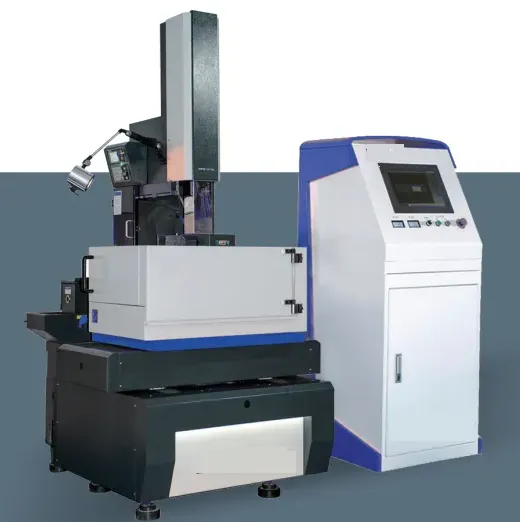 Read More

Contact Us
Recommended Products
-
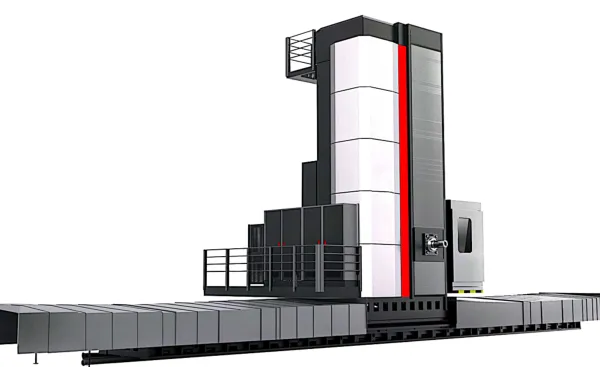
 CNC Boring Machine Horizontal Boring and Milling MachineNegotiableMOQ: 1 Unit
-
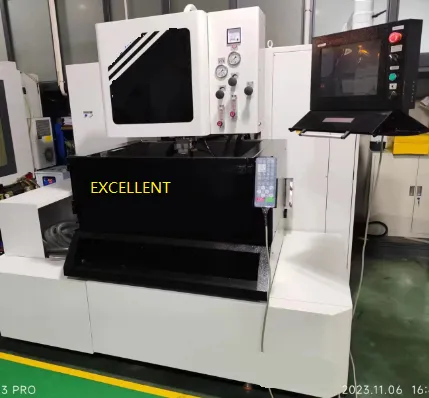
Slow Wire Cutting Machine Slow Speed Wire Cutting Machine Made in ChinaUS$ 5500 - 1500000MOQ: 1 Unit
-
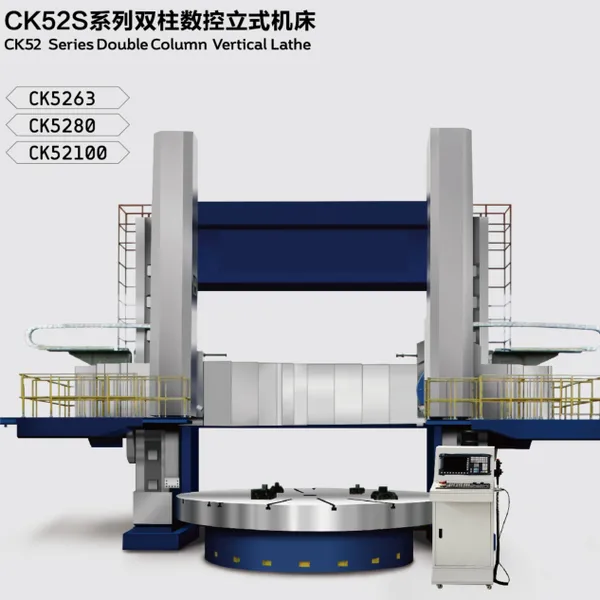
Double Column Vertical Lathe Cnc Vertical Lathe Vertical Turning and Boring MillNegotiableMOQ: 1 Unit
-
Cnc Vertical Lathe Vertical Turning and Boring MillNegotiableMOQ: 1 Unit
-
Cnc Vertical Five-Axis Milling Machining Center Made in ChinaUS$ 48000 - 100000MOQ: 1 Set

-
Cnc Edm Drilling Machine Automatic Wire Feed Made in China 0.15-6.0mmUS$ 5500 - 1500000MOQ: 1 Unit
-
Sevro Moto Wire Cut Machine Cnc Wedm With Larger Taper Made in ChinaUS$ 5500 - 1500000MOQ: 1 Unit
-
Cnc Milling Machine Made in ChinaUS$ 28000 - 100000MOQ: 1 Set
-
VMC(vertical Machining Centre) CNC Milling MachineUS$ 28000 - 100000MOQ: 1 Set
-
Semi-Automatic Hole Drilling EDM Machine With 0.2-6 mm Electrode, 7 MPa Cooling, 3 kW MotorUS$ 3500 - 500000MOQ: 5 Sets


-
High-Speed Hole Drilling EDM Machine With 12,000 Rpm Electrode Rotation, 1-10 mm Range, IP54US$ 3500 - 500000MOQ: 5 Sets
-
Automatic Hole Drilling EDM Machine, 30 A Pulse Power, 600 mm X-Axis Travel, PLC ControlUS$ 3500 - 500000MOQ: 5 Sets
-
Hole Drilling EDM Machine for Aerospace Turbine Blades, 0.3-2 mm Holes, 5-Axis ControlUS$ 3500 - 500000MOQ: 5 Sets
-
Hole Drilling EDM Machine With 1-Year Warranty, On-Site Technical Training, Standard CompliantUS$ 3500 - 500000MOQ: 5 Sets
-
Hole Drilling EDM Machine, 400 x 300 mm Worktable, 0.01 mm Positioning Accuracy, 220VUS$ 3500 - 500000MOQ: 5 Sets
-
Hole Drilling EDM Machine With 12-Month Warranty, Online Technical Support, Free Remote DiagnosisUS$ 3500 - 500000MOQ: 5 Sets
-
CNC Hole Drilling EDM Machine With 5-Axis Servo Control, 0.3-3 mm Electrode, 380VUS$ 3500 - 500000MOQ: 5 Sets
-
CNC Hole Drilling EDM Machine With 0.005 mm Resolution, 500 mm Z-Axis Stroke, 24 V ControlUS$ 3500 - 500000MOQ: 5 Sets
-
Hole Drilling EDM Machine for Mold Cooling Channels, 0.5-3 mm Holes, 400 mm DepthUS$ 3500 - 500000MOQ: 5 Sets
-
CNC Engraving Machine With Factory Test Report and Standard Compliant, 220V 2.2kW, 12-Month Warranty and Setup SupportNegotiableMOQ: 1 Unit