Business License

Carbide vs Steel Workpieces on a Small Hole EDM Drilling Machine
Tungsten carbide and stainless steel are both hard to drill and both common on a small hole machine, and they behave completely differently once the discharge starts. A shop that applies one parameter set to both will get a hole in one material and a broken electrode in the other.
The differences show in three places: the small hole edm carbide workpiece erodes through its binder rather than its grain, the small hole edm stainless steel workpiece builds a recast layer that resists the next pass, and the small hole edm removal rate between the two can differ by a factor of three.
1. Why a Small Hole EDM Carbide Workpiece Behaves Differently
Carbide is a composite of hard grains held in a softer metal binder, usually cobalt. Under a discharge, the binder melts and washes away first because it conducts and melts at a lower temperature than the grain.
That leaves carbide grains exposed at the cut face, and the face becomes a mixture of receding binder and standing grain. The next discharge finds an irregular surface, so the gap fluctuates more than it does in a homogeneous material.
The consequence is a surface that looks pitted rather than striated. A shop used to steel will read that texture as damage when it is the normal result of the process on a two-phase material.
A small hole edm carbide workpiece also behaves differently at the entry. Because the binder goes first, the entry edge can round slightly before the hole establishes itself, and a shop expecting a crisp edge on a small hole will find a small chamfer instead.
Suzhou Excellence Intelligent Technology Co Ltd asks buyers to state the cobalt percentage on carbide enquiries, because a 6 percent grade and a 20 percent grade behave like different materials under the same settings.
2. Small Hole EDM Stainless Steel and the Recast Layer
Stainless erodes slowly compared with carbon steel, and part of the reason is thermal. Its conductivity is lower, so heat stays near the discharge instead of spreading into the workpiece.
That concentrated heat produces a deeper recast layer, and the layer is harder than the base metal. The next pass has to remove material that resists erosion more than the bulk did, which is why stainless finishes slowly even after the roughing pass.
The layer also affects the part rather than the process. On a hole carrying a pin or a sealing element, a hard recast skin can flake during service, so the finishing pass matters more on stainless than the roughing rate suggests.
Small hole edm stainless steel work also rewards a slightly wider flush than steel work at the same depth. The debris from stainless tends to string rather than granulate, and a string that bridges the gap costs more time than the extra pressure ever does.
3. Small Hole EDM Removal Rate Across Materials
Small hole edm removal rate varies with material more than with any single setting, and the spread is wide enough to change a quotation.
| Material | Relative rate | Typical area per minute |
|---|---|---|
| Mild steel | 100 percent | 60-80 sq mm |
| Alloy steel at 50 HRC | 80-90 percent | 50-70 sq mm |
| Stainless 316 | 55-70 percent | 35-50 sq mm |
| Carbide, 10 percent cobalt | 35-45 percent | 22-34 sq mm |
| Carbide, 20 percent cobalt | 45-55 percent | 28-42 sq mm |
Read the carbide rows together, because they run counter to intuition. More cobalt means less hard grain and more conductive binder, so the material erodes faster even though it costs more and is nominally tougher.
Excellence Intelligent Technology advises quoting carbide work from the cobalt figure rather than the grade name, since two grades sold under the same description can differ by a quarter in removal rate.
Small hole edm removal rate also falls faster with depth on carbide than on steel. The pitted face resists the flush, so debris lingers and the gap degrades sooner, which means a carbide figure measured at 20 mm needs a larger correction than the same figure on steel before it is applied at 150 mm.
4. Electrode Wear on a Small Hole EDM Carbide Workpiece
Electrode wear rises on carbide for a reason that is easy to miss. The exposed grains abrade the electrode as it advances, so wear comes from mechanical contact as well as from the discharge.
That abrasion shortens electrode life in a way steel does not, and it shows at the tip as a roughened surface rather than a rounded one. A shop measuring wear by length alone will underestimate how much the diameter has gone.
Copper tungsten electrodes last longer on carbide than brass for this reason, and the cost difference is usually recovered within a batch on any hole deeper than 30 mm.
A small hole edm carbide workpiece also punishes a worn guide more than steel does. The abrasive debris accelerates guide wear, so a shop running carbide steadily should check clearance more often than its steel schedule suggests and record the figures side by side.
5. Dielectric and Flush on a Small Hole EDM Carbide Workpiece
Both materials produce fine debris that loads a filter faster than steel does. Carbide debris is fine enough to pass through a partially loaded element and recirculate, which quietly reduces the effective flush.
Stainless produces stringy debris in some grades, and that debris bridges the gap more readily than the granular debris from carbon steel.
The practical response is the same for both: change the filter on differential pressure rather than on a calendar interval, and check pressure at the guide rather than at the pump. A shop running carbide steadily may halve its filter interval and still save money, because a loaded element costs far more in wear and lost time than in replacement.
6. Small Hole EDM Stainless Steel and Work Hardening
Stainless work hardens, and while the EDM process does not cut mechanically, the recast layer is a hardened surface. A shop that roughs, pauses, and later returns to finish will find the surface harder than when it left off.
That matters on interrupted work. A hole started on Friday and finished on Monday is not the same hole, because the layer has had time to stabilise and the second pass removes it more slowly.
Excellence Intelligent Technology recommends completing stainless holes in one sequence rather than splitting them across shifts, where the schedule allows it.
A second work-hardening effect appears at the exit. When the electrode breaks through, the last few discharges concentrate on a thin section, and a small hole edm stainless steel part can show a hardened lip there that resists a light deburr. A backing plate spreads that final energy and keeps the exit clean.
7. Two Small Hole EDM Material Cases
Two shops moved from steel to other materials and both had to change more than a setting.
A toolroom drilling 0.6 mm holes in 10 percent cobalt carbide was breaking electrodes every four holes at steel settings. Reducing peak current by 40 percent and raising flush pressure to 70 bar took the small hole edm removal rate down by a third, but electrode life rose to 22 holes and the exit diameter held within 0.01 mm of the entry. The job had been quoted on steel timing and was re-quoted after the first batch.
A second shop cutting 316 stainless added one trim pass at low energy to clear the recast layer, and their sealing-face rejections stopped.
Both cases had the same underlying problem, which was a quotation written for a material the shop knew well and applied to one it did not. Neither machine was at fault, and neither operator had done anything wrong beyond trusting a familiar setting on unfamiliar stock.
8. Setting Removal Rate Expectations Before Quoting
A quotation built on steel timing loses money on carbide in a predictable way. The cutting time triples and electrode consumption rises with it, while the filter changes more often than a steel job would require.
The honest method is to price the first hole and multiply, rather than to extrapolate from a steel job of similar depth. Where the shop has no prior carbide work, a single test hole answers the question for the price of an hour.
Small hole edm removal rate also depends on depth in the same way across materials, so a carbide figure established at 20 mm needs adjusting before it is applied to 150 mm.
Excellence Intelligent Technology quotes carbide work with the removal rate stated as a range rather than a figure, because the same nominal grade can vary within a batch. A range that brackets the worst case protects both parties and removes the argument that usually follows the first invoice on unfamiliar material.
9. A Small Hole EDM Stainless Steel and Carbide Record Sheet
Recording the same five items per material turns guesswork into a reference the shop owns after a few months.
| Item | Why it earns its place |
|---|---|
| Material and hardness | Sets the starting parameters |
| Cobalt percentage | Changes carbide behaviour markedly |
| Removal rate achieved | Feeds the next quotation |
| Electrode life in holes | Drives consumable cost |
| Recast layer measured | Decides the finish requirement |
Excellence Intelligent Technology keeps a version of this sheet for the materials it supplies machines into, and updates it when a buyer reports a figure that differs from the reference.
Two months of entries usually shows which material is costing the shop money. Carbide often looks expensive per hole until the scrap line is counted, and stainless often looks cheap until the finishing pass is included. The sheet makes both visible without an accounting exercise.
10. Small Hole EDM Material Questions
10.1 Does a small hole EDM carbide workpiece need a different electrode?
It benefits from one, because carbide abrades the electrode as well as eroding it, so a harder electrode material lasts noticeably longer. Copper tungsten is the usual choice, with tungsten carbide for the smallest diameters where stiffness matters most. Brass still works on shallow holes, and on a single hole the difference does not justify buying a separate spool. Across a batch of any size the consumable saving covers the price difference comfortably, and after the first batch it continues to pay.
10.2 Why does stainless cut more slowly than carbon steel?
Lower thermal conductivity keeps heat near the discharge, so each pulse creates a deeper recast layer and the following pass has to remove harder material. Alloying elements also resist vaporisation compared with plain iron. The result is a removal rate around 55 to 70 percent of mild steel for the same settings. Raising current narrows the gap in rate and thickens the recast layer at the same time, which is usually the wrong trade on a part that carries load in service.
10.3 How do I know the cobalt percentage of a carbide workpiece?
Ask the material supplier for the certificate rather than guessing from the grade name, because trade names rarely state the cobalt figure directly. If the certificate is unavailable, a shop can compare two known grades against the unknown one by cutting a test hole in each and timing all three under the same settings. The relationship between cobalt content and removal rate is consistent enough that the timing identifies the family within a few percentage points of the certificate value.
10.4 Should the dielectric be changed between materials?
The water itself can stay, but the circuit needs attention. Carbide debris is fine enough to recirculate, so a filter change between material families prevents the carry-over that shows as a stray pit on a later part. Check resistivity as well, since heavy carbide work loads a resin bed faster than steel. Record the changeover on the job sheet so the next operator starts from a known state rather than from an assumption about what was run last on that machine.
Recently Posted
-
Wire Cutting Machine Profile Quality: Taper, Recut and Tolerance
November 23, 2026A profile that measures correctly at the top of a cut and drifts by the time it reaches the bottom is the most common complaint on Read More
-
Hardened Steel vs Carbide on a Wire Cutting Machine
November 20, 2026Tool steel at 60 HRC and tungsten carbide at 1,400 HV both cut on a wire cutting machine, and a buyer reading a specification shee
Read More -
Copper vs Tungsten Electrode for Small Hole EDM Drilling
November 20, 2026A shop running 0.5 mm holes in hardened tool steel has two sensible starting points for its electrode, and the choice changes cost Read More
-
Brass vs Copper Electrode Wire for Wire Cutting Machine Work
November 19, 2026Most shops buy brass wire because it was the wire in the machine when it arrived, and they keep buying it because the price looks Read More

Contact Us
Recommended Products
-
 CNC Boring Machine Horizontal Boring and Milling MachineNegotiableMOQ: 1 Unit
-
Slow Wire Cutting Machine Slow Speed Wire Cutting Machine Made in ChinaUS$ 5500 - 1500000MOQ: 1 Unit
-
Double Column Vertical Lathe Cnc Vertical Lathe Vertical Turning and Boring MillNegotiableMOQ: 1 Unit
-
Cnc Vertical Lathe Vertical Turning and Boring MillNegotiableMOQ: 1 Unit
-
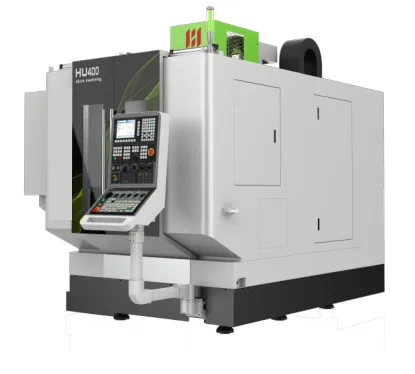
Cnc Vertical Five-Axis Milling Machining Center Made in ChinaUS$ 48000 - 100000MOQ: 1 Set
-
Cnc Edm Drilling Machine Automatic Wire Feed Made in China 0.15-6.0mmUS$ 5500 - 1500000MOQ: 1 Unit
-
Sevro Moto Wire Cut Machine Cnc Wedm With Larger Taper Made in ChinaUS$ 5500 - 1500000MOQ: 1 Unit
-
Cnc Milling Machine Made in ChinaUS$ 28000 - 100000MOQ: 1 Set
-
VMC(vertical Machining Centre) CNC Milling MachineUS$ 28000 - 100000MOQ: 1 Set
-
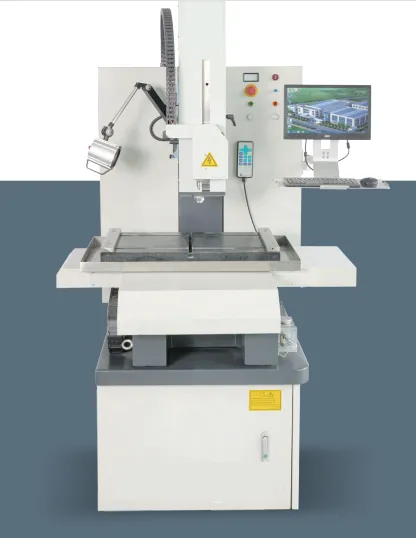
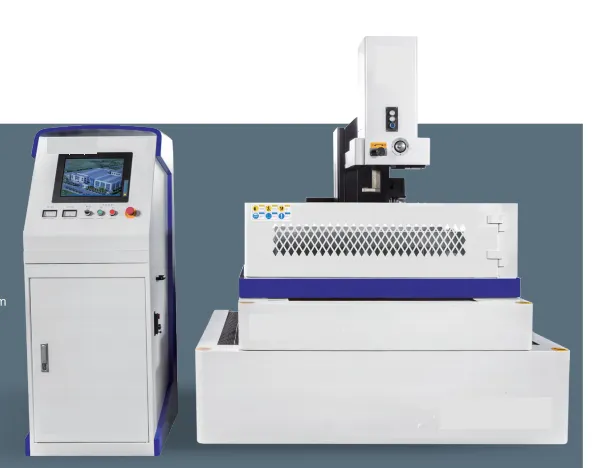
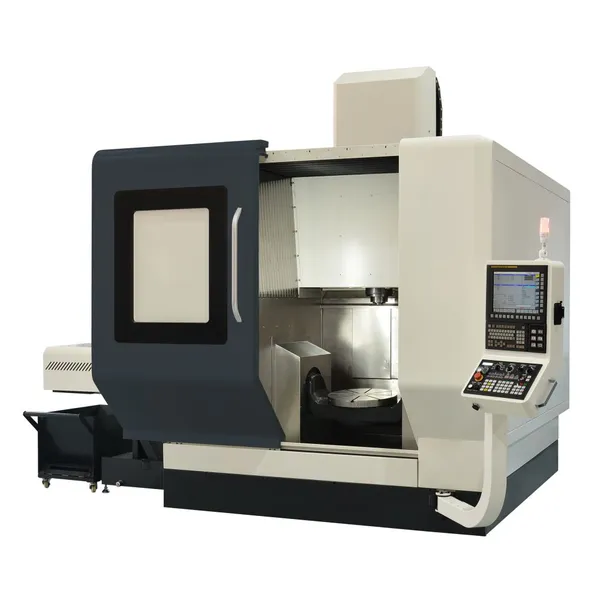
Semi-Automatic Hole Drilling EDM Machine With 0.2-6 mm Electrode, 7 MPa Cooling, 3 kW MotorUS$ 3500 - 500000MOQ: 5 Sets
-
High-Speed Hole Drilling EDM Machine With 12,000 Rpm Electrode Rotation, 1-10 mm Range, IP54US$ 3500 - 500000MOQ: 5 Sets
-
Automatic Hole Drilling EDM Machine, 30 A Pulse Power, 600 mm X-Axis Travel, PLC ControlUS$ 3500 - 500000MOQ: 5 Sets
-
Hole Drilling EDM Machine for Aerospace Turbine Blades, 0.3-2 mm Holes, 5-Axis ControlUS$ 3500 - 500000MOQ: 5 Sets
-
Hole Drilling EDM Machine With 1-Year Warranty, On-Site Technical Training, Standard CompliantUS$ 3500 - 500000MOQ: 5 Sets
-
Hole Drilling EDM Machine, 400 x 300 mm Worktable, 0.01 mm Positioning Accuracy, 220VUS$ 3500 - 500000MOQ: 5 Sets
-
Hole Drilling EDM Machine With 12-Month Warranty, Online Technical Support, Free Remote DiagnosisUS$ 3500 - 500000MOQ: 5 Sets
-
CNC Hole Drilling EDM Machine With 5-Axis Servo Control, 0.3-3 mm Electrode, 380VUS$ 3500 - 500000MOQ: 5 Sets
-
CNC Hole Drilling EDM Machine With 0.005 mm Resolution, 500 mm Z-Axis Stroke, 24 V ControlUS$ 3500 - 500000MOQ: 5 Sets
-
Hole Drilling EDM Machine for Mold Cooling Channels, 0.5-3 mm Holes, 400 mm DepthUS$ 3500 - 500000MOQ: 5 Sets
-
CNC Engraving Machine With Factory Test Report and Standard Compliant, 220V 2.2kW, 12-Month Warranty and Setup SupportNegotiableMOQ: 1 Unit